No one dies alone
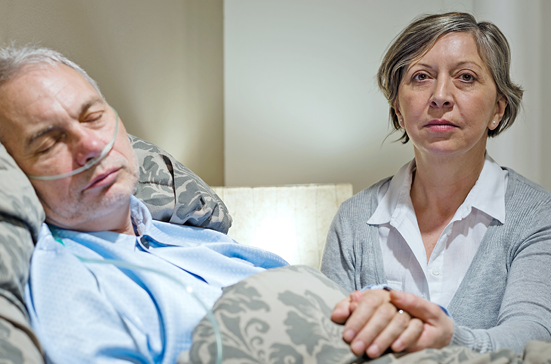
Our volunteers are highly skilled and experienced with palliative care. Many of them function at the specialist level within several domains of the Framework. For instance, one of our volunteers developed a pilot program that provides a 24-hour vigil at the end of life for patients who have no family or friends. This initiative is offered in various facilities to individuals who are expected to live for 24 to 72 hours.
The Patient Dignity Question (PDQ)
“What do I need to know about you as a person to give you the best care possible?” is a key question developed by Dr. Harvey Chochinov, a leading authority on the emotional dimensions of end-of-life care. While this question assesses the level of dignity-related distress experienced by patients nearing the end of their lives, the PDQ could also be asked of everyone seeking health care. The information obtained can inform the development of individualized care plans that prioritize and respect the patient’s values and preferences. The Competency Framework reminds the patient’s circle of care—clinicians, volunteers and family—to reflect on what they need to know to provide the best possible care.
Providing the best possible care
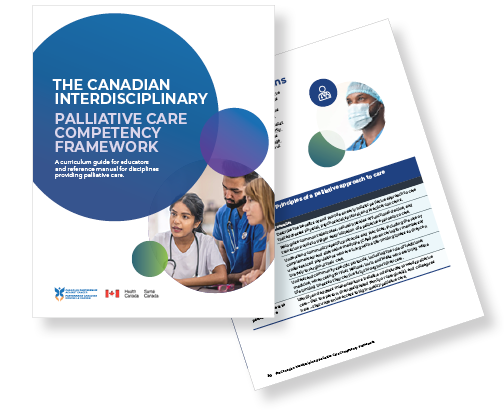
The Competency Framework is now the basis of our teaching for our volunteers and for health care aides and volunteers in partner organizations. It reinforces the importance of collaboration and a team-based approach to achieving quality. By working together, we pool collective knowledge and experience, leading to better-informed decision-making, improved patient care and seamless transitions for patients between members of the care team.
At a policy level, all stakeholders need to work together to develop the specific palliative competencies for Manitoba, building on the national Competency Framework. While there will be similarities and linkages to the national competencies, a provincial resource will delve deeper into needs such as geography and diversity and will encompass the clinical and professional guidelines of the local regulating bodies.