PRIORITIES

PRIORITIES
Health human resources in home and community care refers to the workforce responsible for delivering essential health and support services to individuals in non-hospital settings, including private homes and community environments. This includes regulated care providers (e.g., physicians, nurses, nurse practitioners, physiotherapists, occupational therapists, and other licensed health professionals) and unregulated care providers (e.g., personal support workers (PSWs), health care aides (HCAs), and home support workers), including roles classified under NOC 44101.
These workers provide a range of services including primary care, nursing care, rehabilitation, chronic disease management, and daily living support. They also may provide palliative care for individuals with life-limiting conditions, focusing on comfort, dignity, and quality of life. This workforce plays a critical role in supporting Canada’s health system by enabling individuals—particularly older adults and those with complex or chronic needs—to receive care safely in their homes and communities. It also provides critical support to caregivers, helping to reduce caregiver burden and enabling caregivers to continue supporting loved ones effectively. In addition, it helps reduce pressure on hospitals and long-term care facilities by supporting earlier discharge and preventing unnecessary acute/institutional care.
Canada’s home and community care workforce is under increasing strain, with national projections indicating a significant risk of workforce shortages extending through 2033. As Canada transitions into a super-aged population, demand for home-based and community care services is expected to rise substantially.
At the same time, workforce instability threatens the continuity and capacity of care delivery. Without sufficient staffing and retention strategies, there is a risk of reduced system efficiency, increased pressure on hospitals, and higher long-term costs to governments and the broader economy.
A stable and well-supported workforce is essential to maintaining care in the community, reducing avoidable hospital use, and supporting caregivers and families who rely on home-based services.
Workforce optimization is therefore critical to ensure health human resources are deployed effectively, retained appropriately, and supported to meet growing national demand. Strengthening home and community care capacity aligns with a “home-first” approach, which prioritizes care delivery outside of acute hospital settings.
Currently, Canada’s investment in home and community care remains limited relative to system needs. A strategic shift toward increased federal and provincial coordination and investment is required to support long-term sustainability and system resilience.

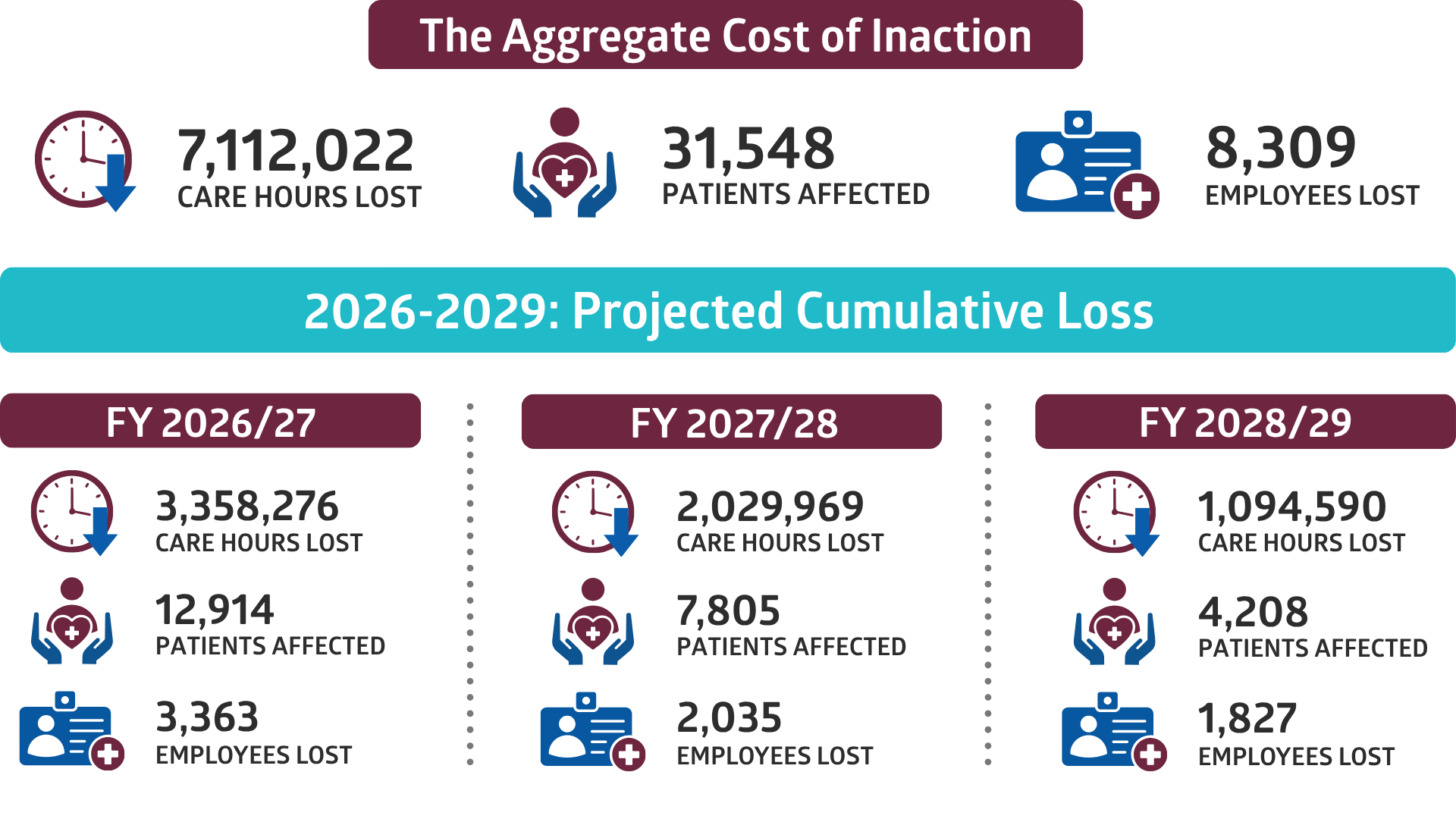
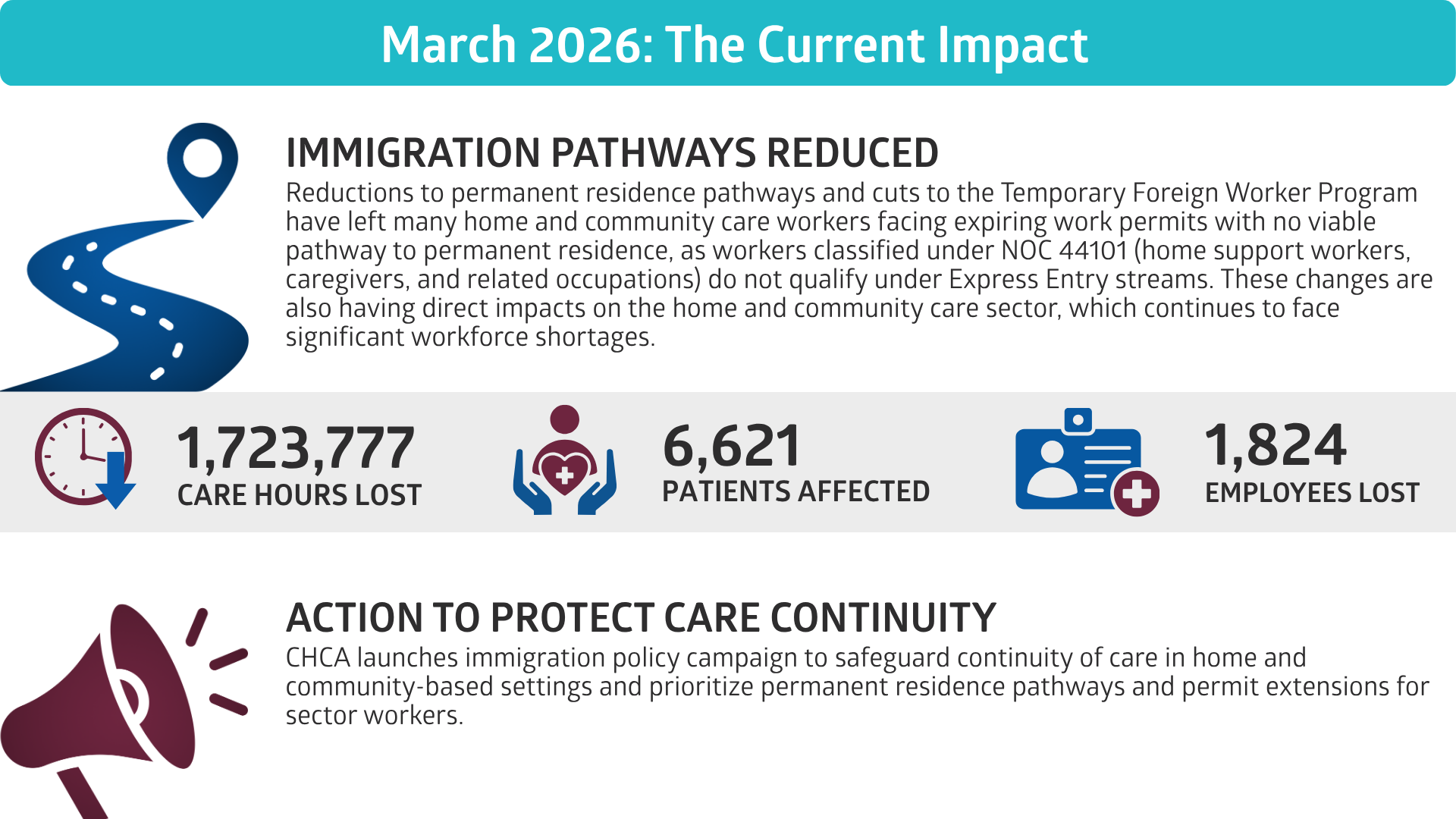
IRCC has introduced policy changes aimed at reducing the number of temporary residents in Canada. These measures are creating unintended risks to workforce stability across the health system, particularly in home and community care.
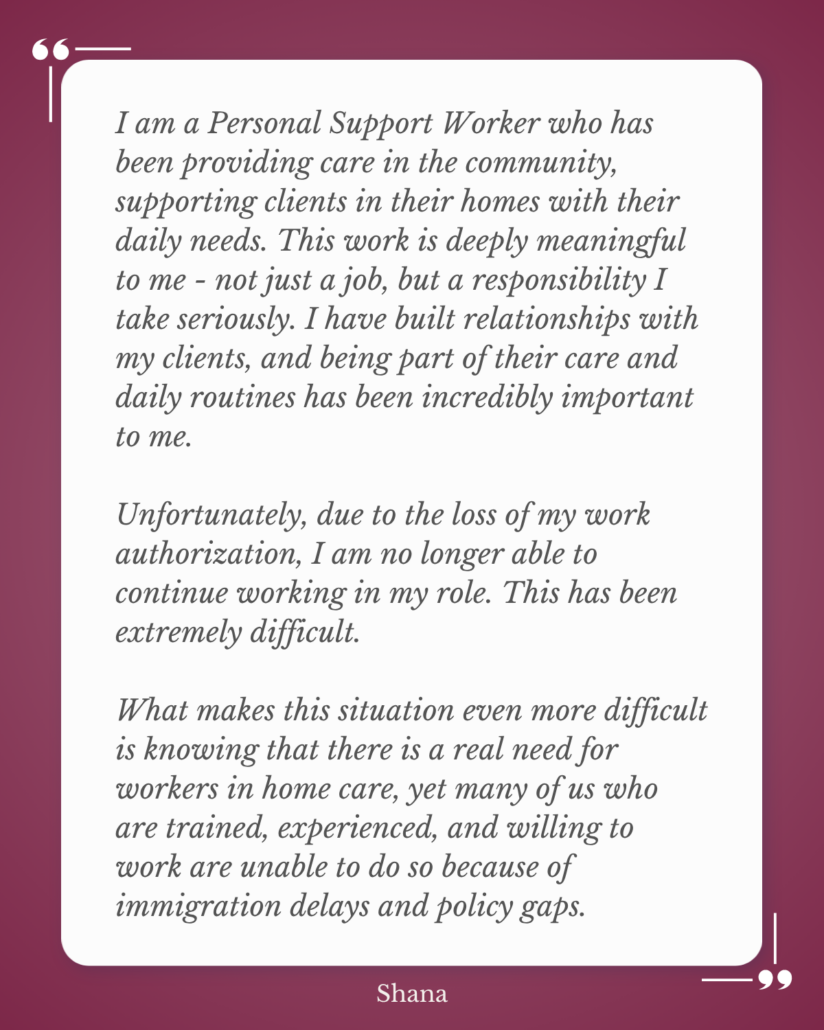
Recent changes have led to reduced approvals and non-renewal of Temporary Foreign Worker (TFW) extensions and permanent residency pathways for many health care workers in the sector. At the same time, federal targets aim to lower both temporary and permanent resident levels as part of a broader immigration reduction strategy.
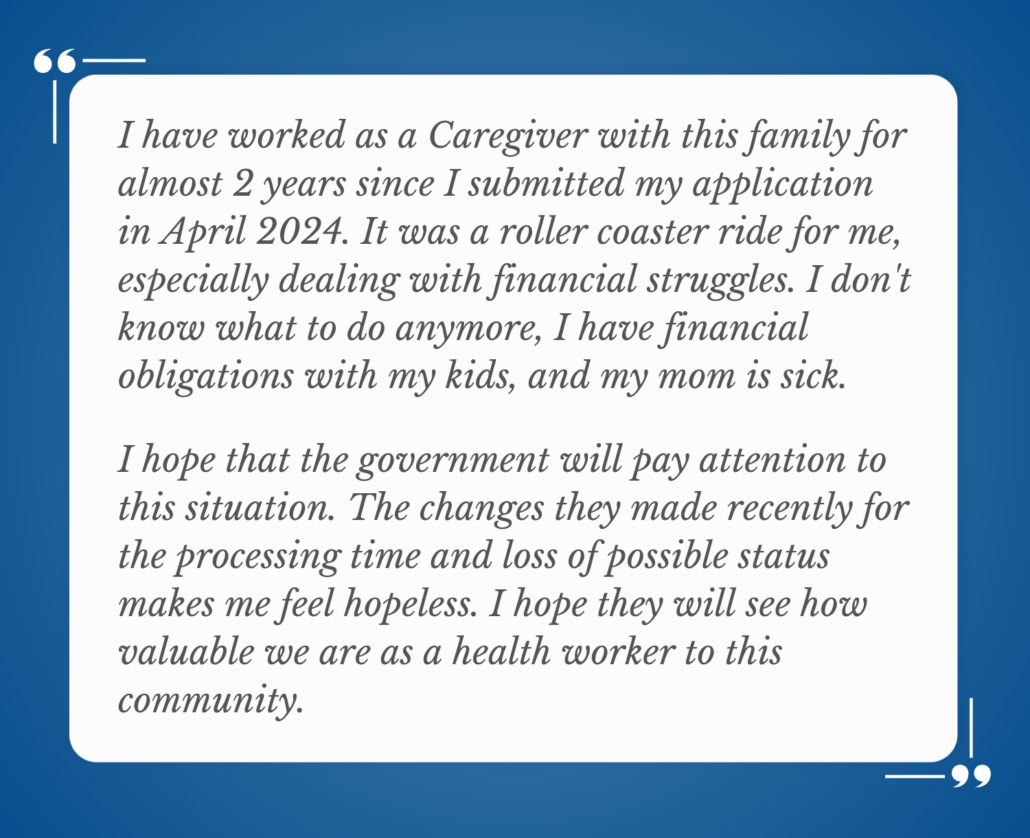
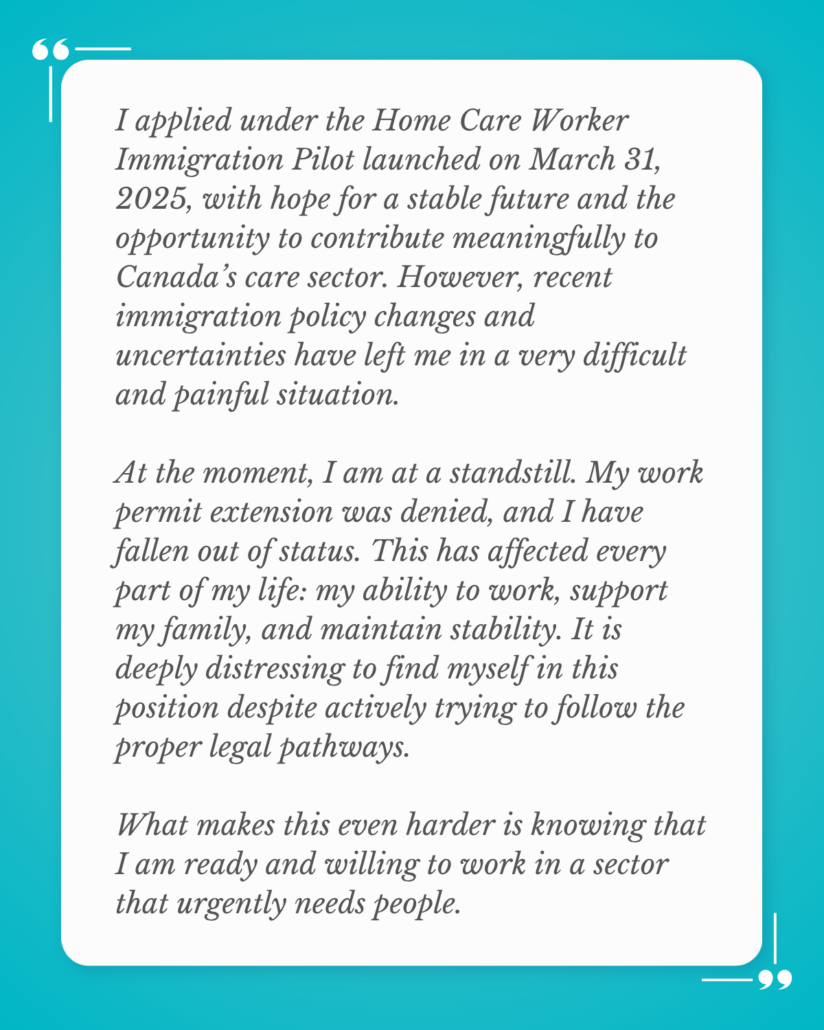
In the context of ongoing health human resource shortages and rising demand for care, these changes risk disrupting continuity of services. Many care providers in home and community care face uncertainty in their ability to remain and continue working in Canada.
Immigration policy must be aligned with health workforce needs to ensure stability, continuity of care, and sustainable service delivery.

Ontario
681
Quebec
38
Manitoba
8
Saskatchewan
12
Alberta
58
British Columbia
253
New Brunswick
9
Nova Scotia
5